.png&w=128&q=75)


What Is a Plug-in Hybrid Electric Vehicle (PHEV)?
Posted in Plug In Hybrid Vehicles
If you have been looking across the range of electrified vehicles on offer in 2026, you may have come across the term Plug-in Hybrid Electric Vehicle, or PHEV. So, what is a Plug-in Hybrid Electric Vehicle exactly?
A Toyota Plug-in Hybrid Electric Vehicle combines a petrol engine, an electric motor, and a larger battery than a standard Hybrid Electric Vehicle. That larger battery allows the vehicle to drive for longer in electric-only mode on shorter trips, while still giving you the reassurance of petrol power when you need to travel further. In simple terms, it is designed to give drivers a practical middle ground between a traditional Hybrid Electric Vehicle and a Battery Electric Vehicle.

How does a Toyota Plug-in Hybrid Electric Vehicle work?
A Toyota Plug-in Hybrid Electric Vehicle is built to blend electric driving with the flexibility of a petrol engine. When the battery has enough charge, the vehicle can operate in EV mode, which means it runs on electric power for smooth and quiet driving. This can make it especially appealing for everyday errands, school runs, or shorter commutes.
When the battery charge gets lower, the vehicle automatically switches across and uses its hybrid system, bringing the petrol engine in when needed. This happens seamlessly, so you can keep driving without having to stop and recharge before continuing your journey.
That combination is what makes a PHEV stand out. It gives you the chance to enjoy more electric driving in day-to-day use, without the concern that comes with relying only on charging.

What is the difference between a PHEV and a standard hybrid?
A standard Hybrid Electric Vehicle, also known as an HEV, uses a battery and electric motor too, but the battery is smaller and charges itself while driving. Toyota hybrids are well known for being easy to live with because you do not need to plug them in. They recover energy through braking and from the petrol engine, helping improve efficiency compared with a petrol-only vehicle.
A Plug-in Hybrid Electric Vehicle takes that a step further. Because it has a larger battery, it can deliver more electric-only driving than a standard hybrid. It also needs to be plugged in to get the full benefit of that electric range.
So, if you want something simple that does not need charging, a hybrid may suit you. If you like the idea of doing more of your shorter drives on electricity while still having a petrol engine for longer trips, a PHEV may be the better fit.
What is the difference between a PHEV and a Battery Electric Vehicle?
A Battery Electric Vehicle, or BEV, runs entirely on electricity. There is no petrol engine at all. You charge it up and drive using battery power only.
A Toyota Plug-in Hybrid Electric Vehicle sits between a hybrid and a battery electric vehicle. It gives you electric driving capability, but also keeps a petrol engine on board. For many drivers, that can offer extra confidence, especially if they want to reduce petrol use but are not quite ready to go fully electric.
What are the benefits of a Toyota Plug-in Hybrid Electric Vehicle?
One of the biggest benefits of a Toyota Plug-in Hybrid Electric Vehicle is flexibility. When fully charged, it can handle shorter day-to-day trips in EV mode, which can make driving quieter, smoother and less reliant on petrol. Then, when it is time for a longer drive, the petrol engine is there to support you.
Another key benefit is convenience. If you keep your PHEV charged, you can enjoy more pure-electric driving for your regular routine, while still having the option to refuel at a service station just like a hybrid or petrol vehicle.
As Downtown Toyota senior sales consultant Jon Wimhurst explains, that balance is a big part of the appeal. With around 100 kilometres of electric-only range in the Plug-in Hybrid RAV4, many Brisbane drivers could potentially cover their daily commute, school runs, and other short trips for much of the week without using any fuel at all. You can charge it at home or at a growing number of public charging stations, and when the battery runs low, the hybrid system takes over automatically.
Plug-in Hybrid Electric Vehicles also support both AC and DC fast charging, giving drivers different options at home or out on the road. Charging times vary depending on the method used, but the ability to top up in different ways adds to the overall convenience.
There is also peace of mind in Toyota ownership. Toyota Plug-in Hybrid Electric batteries are backed by extensive research, rigorous testing and trusted engineering. Toyota traction batteries are covered for up to 10 years with unlimited kilometres against manufacturing defects, provided the vehicle meets the applicable requirements and annual battery health checks.
Do you have to charge a Toyota Plug-in Hybrid Electric Vehicle?
To get the most out of a Toyota Plug-in Hybrid Electric Vehicle, regular charging is important. Charging helps unlock its electric driving benefits and allows you to do more shorter trips using battery power.
That said, a PHEV does not become unusable if you cannot charge it, it can still run using its petrol engine, much like a conventional Hybrid Electric Vehicle. That means if charging is not always possible, you can still drive and refuel as normal.
This is one of the reasons many drivers see a PHEV as a practical stepping stone into electrified driving while the charging network matures in Australia.
Toyota’s first Plug-in Hybrid Electric Vehicle in Australia
Toyota has introduced the All-New RAV4 as Toyota Australia’s first-ever Plug-in Hybrid, giving drivers another option within Toyota’s growing electrified range. Designed to blend the quiet performance of electric driving with the reassurance of a petrol engine, it offers a practical middle ground for drivers who want more electric-only driving in everyday life without giving up long-distance flexibility.
Available at Downtown Toyota in the XSE and GR Sport, the RAV4 Plug-in Hybrid combines a 2.5L 4-cylinder engine with Toyota’s Plug-in Hybrid Electric system. The XSE is available in both 2WD and AWD, while the GR Sport is available in AWD. With bold styling, advanced connectivity, Toyota Connected Services, and technology designed to support both daily driving and bigger adventures, the RAV4 Plug-in Hybrid is a strong option for drivers wanting a more electrified SUV experience without giving up practicality or capability.
PHEV vs Battery Electric in Australia 2026
For many Australian drivers, the argument for a Plug-in Hybrid Electric Vehicle over a Battery Electric Vehicle comes down to how and where they drive. A Battery Electric Vehicle can make a lot of sense if you have easy access to charging at home, mostly stick to predictable metro driving, and are comfortable planning longer trips around charger availability. But for many Australians, that is not always the reality.
Recent Easter holiday reporting in April 2026 put that issue front and centre, with drivers in multiple parts of the country facing long queues at public chargers. One report by sky news described five-hour charging waits becoming a real frustration during peak travel, while another highlighted a viral video showing nine cars lined up to use a single charger, with one motoring expert calling charging infrastructure one of the biggest barriers to EV adoption in Australia. News.com.au noted that EV demand is continuing to rise sharply, while public charging access remains under pressure, with an estimated 300,000 to 350,000 EVs on Australian roads competing for around 5,000 public charging sites. It also noted that even with further investment underway, grid connection and infrastructure rollout will take time.
That is where a Toyota Plug-in Hybrid Electric Vehicle may feel like the more practical fit for many Australians. A PHEV still gives you the benefit of electric driving for shorter day-to-day trips when the battery is charged, but it also keeps a petrol engine in reserve for longer drives, regional travel, school holiday road trips, or times when charging is inconvenient or unavailable. In other words, it can give drivers some of the benefits of electric driving without asking them to rely entirely on Australia’s still-developing public charging network.
That does not mean Battery Electric Vehicles are the wrong choice. For the right owner and the right lifestyle, they can make excellent sense. But in Australia right now, a PHEV may strike a balance for many that feels more realistic. It offers electric driving where it suits, petrol backup where it matters, and more flexibility for a country where long distances and uneven charging access are still part of the conversation.
Is a Toyota Plug-in Hybrid Electric Vehicle right for you?
A Toyota Plug-in Hybrid Electric Vehicle could be a good choice if you want to do more of your daily driving on electricity, but still want the backup of a petrol engine for longer trips. It may also suit drivers who want a balance between lower day-to-day petrol use and the convenience of not depending entirely on public charging.
If your routine includes shorter commutes, local errands, and weekend trips further afield, a PHEV can offer a smart mix of efficiency, flexibility and reassurance.
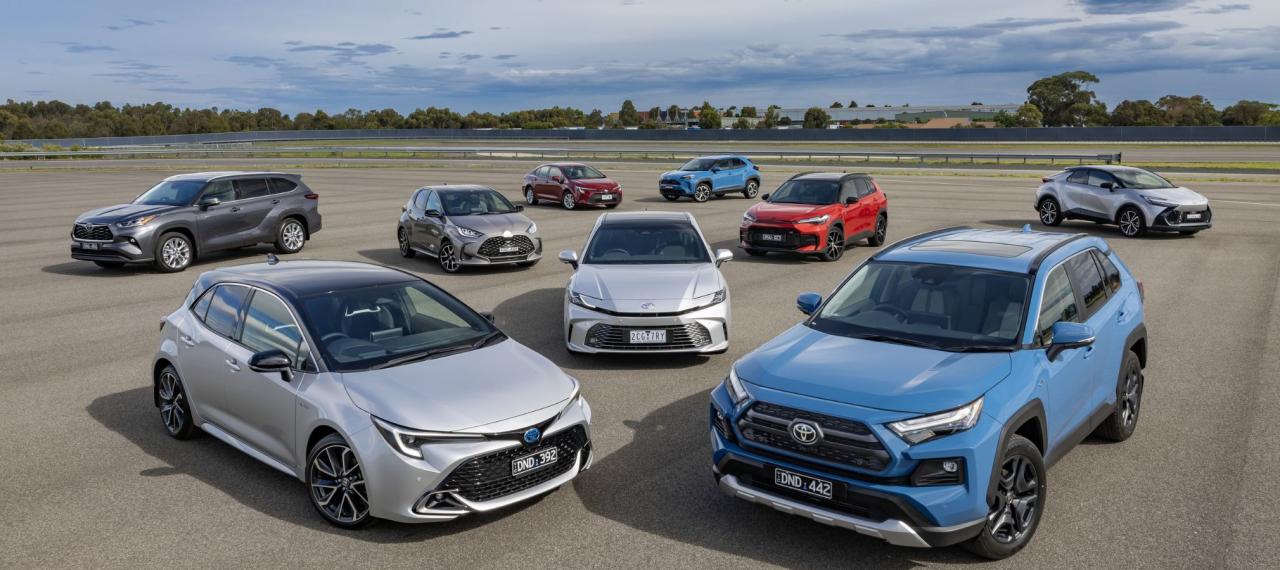
Explore Toyota’s electrified range at Downtown Toyota
If you would like to learn more about Toyota Plug-in Hybrid Electric Vehicles, Hybrid Electric models, or Battery Electric options, the team at Brisbane’s Downtown Toyota can help you understand the differences and choose the right fit for your lifestyle.